Consultation
History, clinical examination, and EMG confirm the diagnosis.
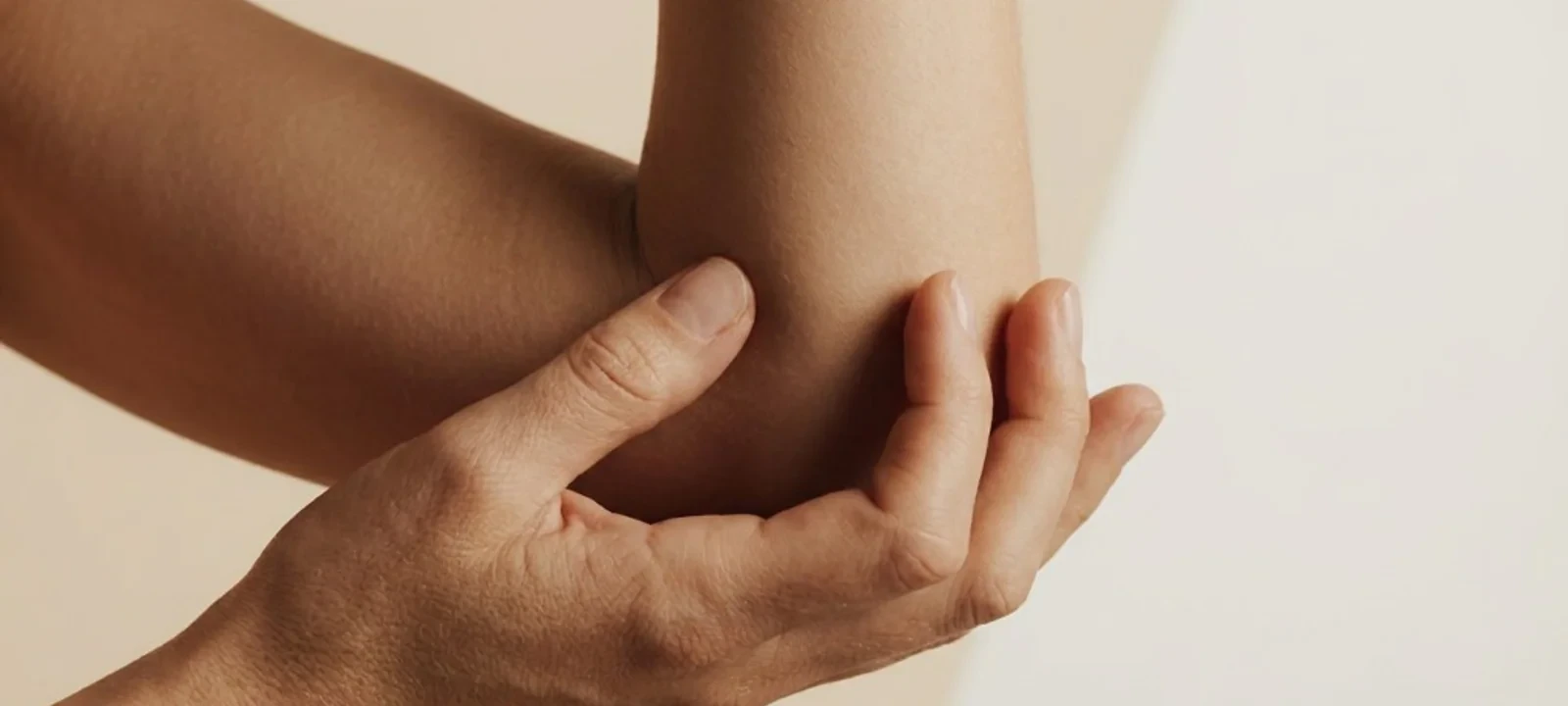
Ulnar nerve transposition relocates the elbow nerve to a free zone to improve tingling and weakness in the hand.
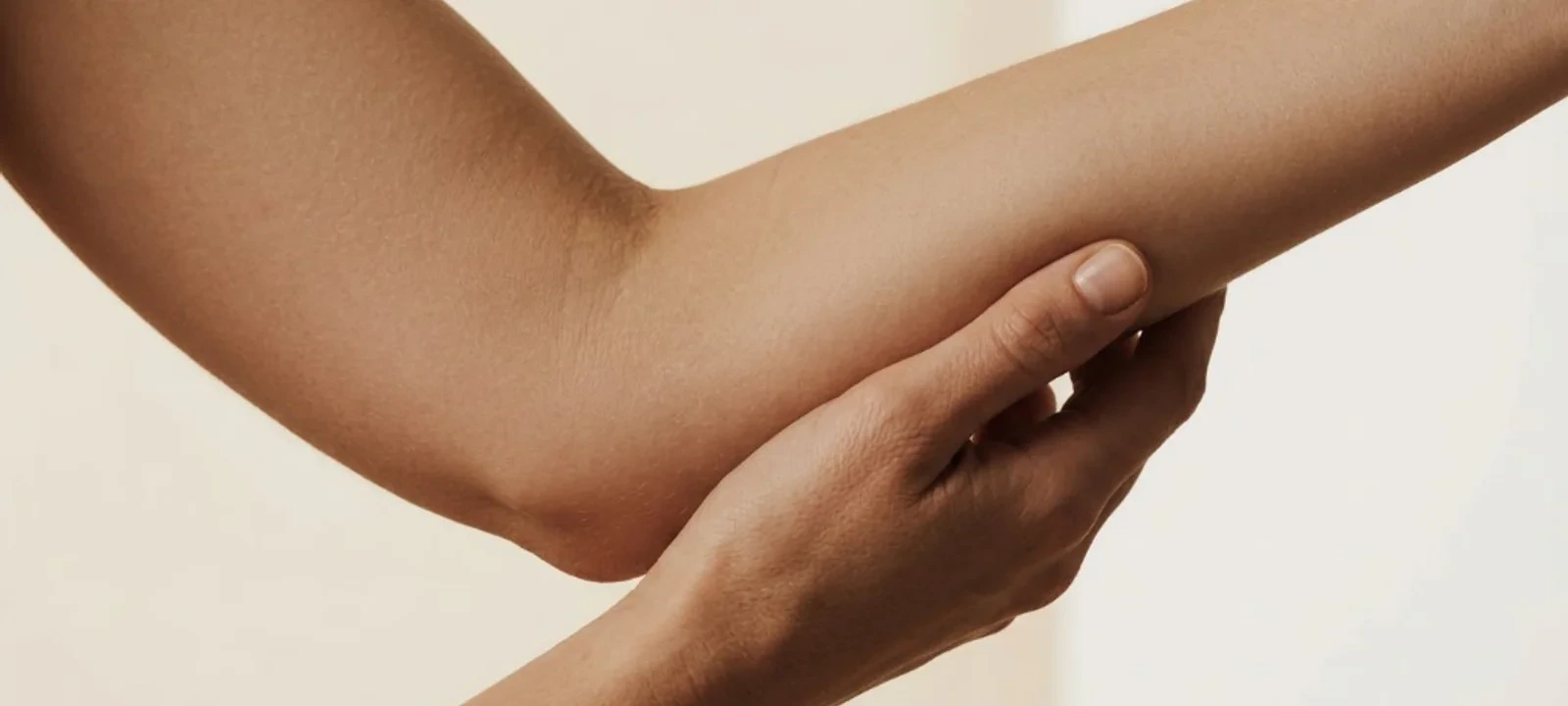
The ulnar nerve runs from the upper arm to the forearm along the inner side of the elbow.
With compression or malposition, tingling can occur in the fingers supplied by this nerve and, over time, weakness in small muscles of the hand.
By relocating the nerve to a zone where it no longer snags, those symptoms can improve.
During the consultation, we assess whether this treatment fits your situation.
Not sure whether ulnar nerve transposition is right for you?
Let us guide youOften suitable for
Tingling in the fingers supplied by the ulnar nerve
Weakness in the hand
Compression or malposition of the nerve at the elbow
Confirmed diagnosis via EMG

History and clinical examination often already point to ulnar nerve irritation. EMG confirms the diagnosis.
Through an incision at the elbow, the nerve is released and relocated to a zone where it can no longer become entrapped.
Confirm diagnosis
EMG confirms irritation or compression of the ulnar nerve.
Release the nerve
Through an incision at the elbow, the nerve is exposed.
Transposition
The nerve is moved to a zone where entrapment is no longer possible.
Dr. Thomas Muyldermans
Book your consultation hereA clear path with personal guidance, from the first conversation to a beautiful and natural result.
History, clinical examination, and EMG confirm the diagnosis.
The operation takes approximately 30 minutes under regional anesthesia.
A plaster splint is applied initially.
You may move your fingers immediately after the procedure.
Sutures and splint are removed after 10 to 14 days. Tingling and strength improve only later due to slow nerve recovery.
Electromyography confirms the diagnosis of ulnar nerve irritation.
Sutures and splint are removed after 10 to 14 days.
Tingling and any weakness improve only after some time, because nerve recovery is slow.
Surgiplast Clinic
Choose a reason and a suitable time. Availability and patient details are handled securely by Doctena.
The booking calendar could not be loaded. You can complete your booking securely on Doctena.
Continue to DoctenaDoctena processes appointment data on behalf of Surgiplast Clinic. Read our privacy policy before continuing.
 Book appointment