Consultation and examination
After a thorough medical history and clinical examination, a 3D scan is made.
Rhinoplasty improves the shape or function of the nose, with attention to harmony and breathing.
In most cases, the reasons are aesthetic, such as a nose that is too large, crooked, or unbalanced and does not harmonize well with the rest of the face.
In some cases, rhinoplasty is medically necessary, for example with breathing problems due to a deviated nasal septum or after an accident.
The goal is a nose that functions well and harmonizes with the face.
Not sure whether rhinoplasty is right for you?
Let us guide youOften suitable for
Reducing or narrowing the nose
Improving the nasal tip
Removing a hump
Crooked nose or breathing problem
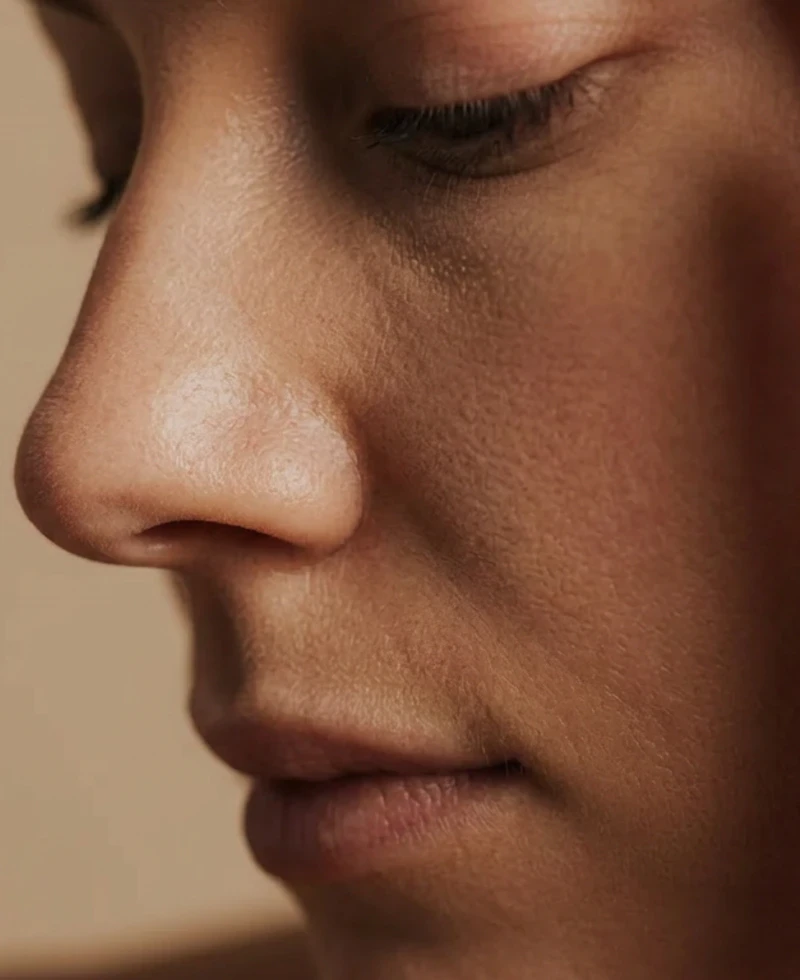
Corrections can reduce or narrow the nose, improve the tip, remove a hump, straighten a crooked nose, improve the angle between nose and upper lip, and reduce the nostrils.
Rhinoplasty is performed using recent techniques such as structural rhinoplasty, preservation rhinoplasty, and piezotomy-assisted rhinoplasty. If needed, the nasal septum can also be corrected internally.
3D scan
After medical history and clinical examination, the 3D scan shows what is realistically achievable postoperatively.
Tailored technique
Structural, preservation, and piezotomy-assisted rhinoplasty.
2 to 3 hours
The procedure takes 2 to 3 hours under sedation or general anesthesia.
Dr. Thomas Muyldermans
Book your consultation hereA clear path with personal guidance, from the first conversation to a beautiful and natural result.
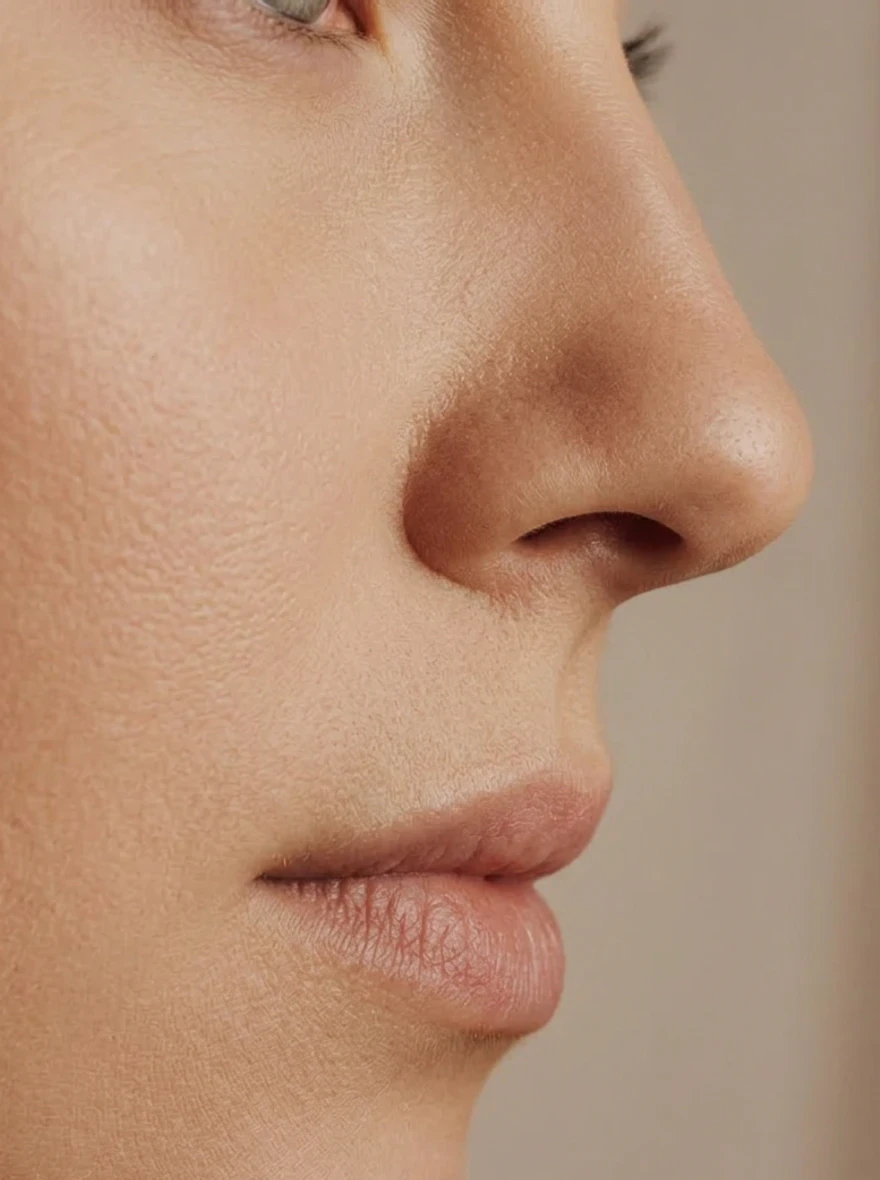
After a thorough medical history and clinical examination, a 3D scan is made.
Based on the 3D scan, we discuss which postoperative result is realistic.
Incisions are placed inside the nostrils, at the lower edge of the nasal septum, or with nostril reduction at the transition to the lip.
Nasal packing is removed before you go home on the day of the procedure. Steri-Strips and nasal splint are removed after 1 to 2 weeks.
Daily activities can be resumed after a few days. Strenuous physical activity should be avoided for 6 weeks.
Multiple corrections can be combined, such as tip correction, hump removal, straightening a crooked nose, nostril reduction, and, if needed, nasal septum correction.
Steri-Strips and nasal splint are removed after 1 to 2 weeks.
External sutures are removed after one week. In the meantime, furacin ointment is applied.
For the first 3 weeks, glasses cannot rest on the nasal bridge; the weight must be reduced through taping or contact lenses.
Limited swelling gradually subsides. Mild swelling may remain for several months.
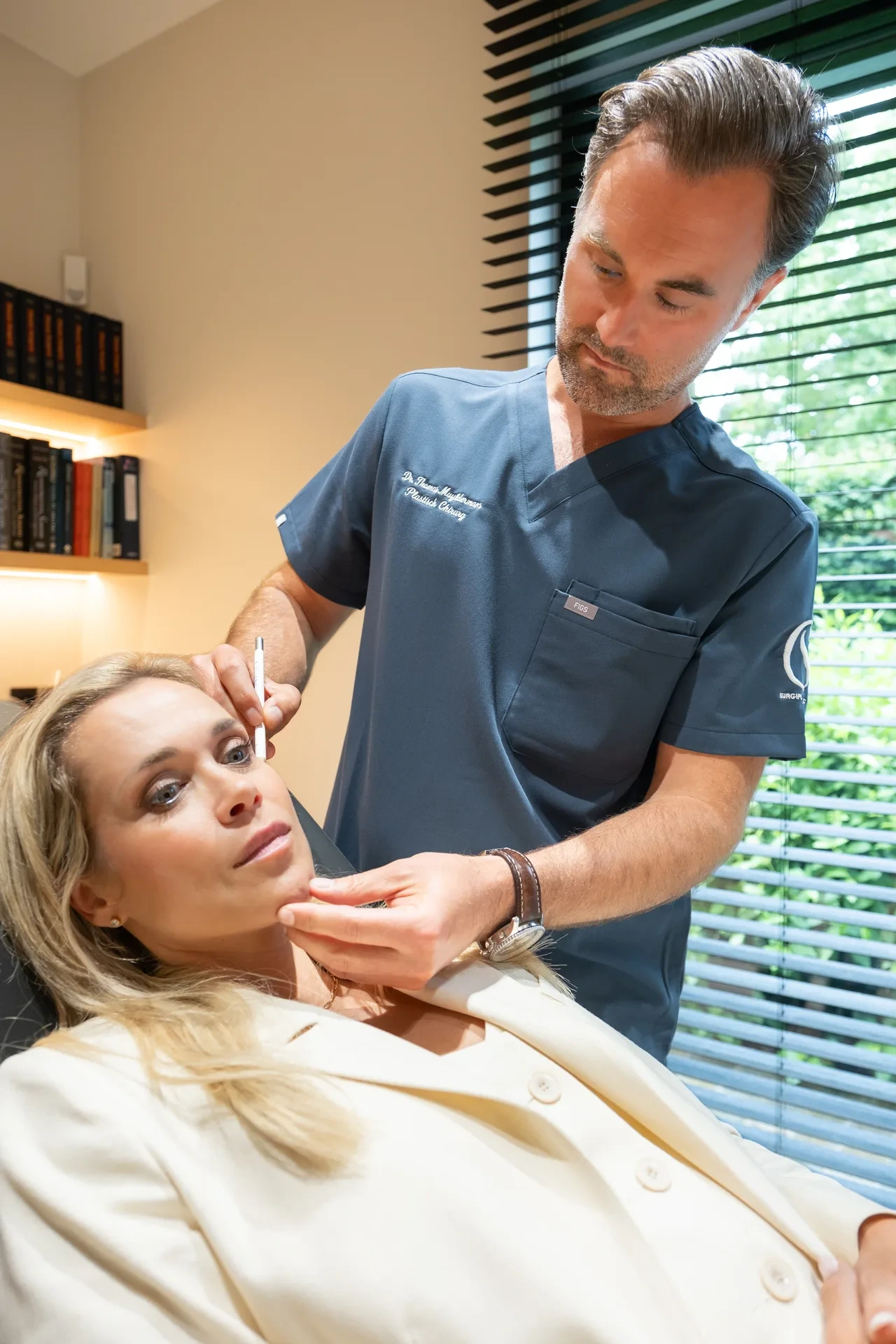
Surgiplast Clinic
Choose a reason and a suitable time. Availability and patient details are handled securely by Doctena.
The booking calendar could not be loaded. You can complete your booking securely on Doctena.
Continue to DoctenaDoctena processes appointment data on behalf of Surgiplast Clinic. Read our privacy policy before continuing.
 Book appointment