Consultation
History, clinical examination, and ultrasound confirm the diagnosis.
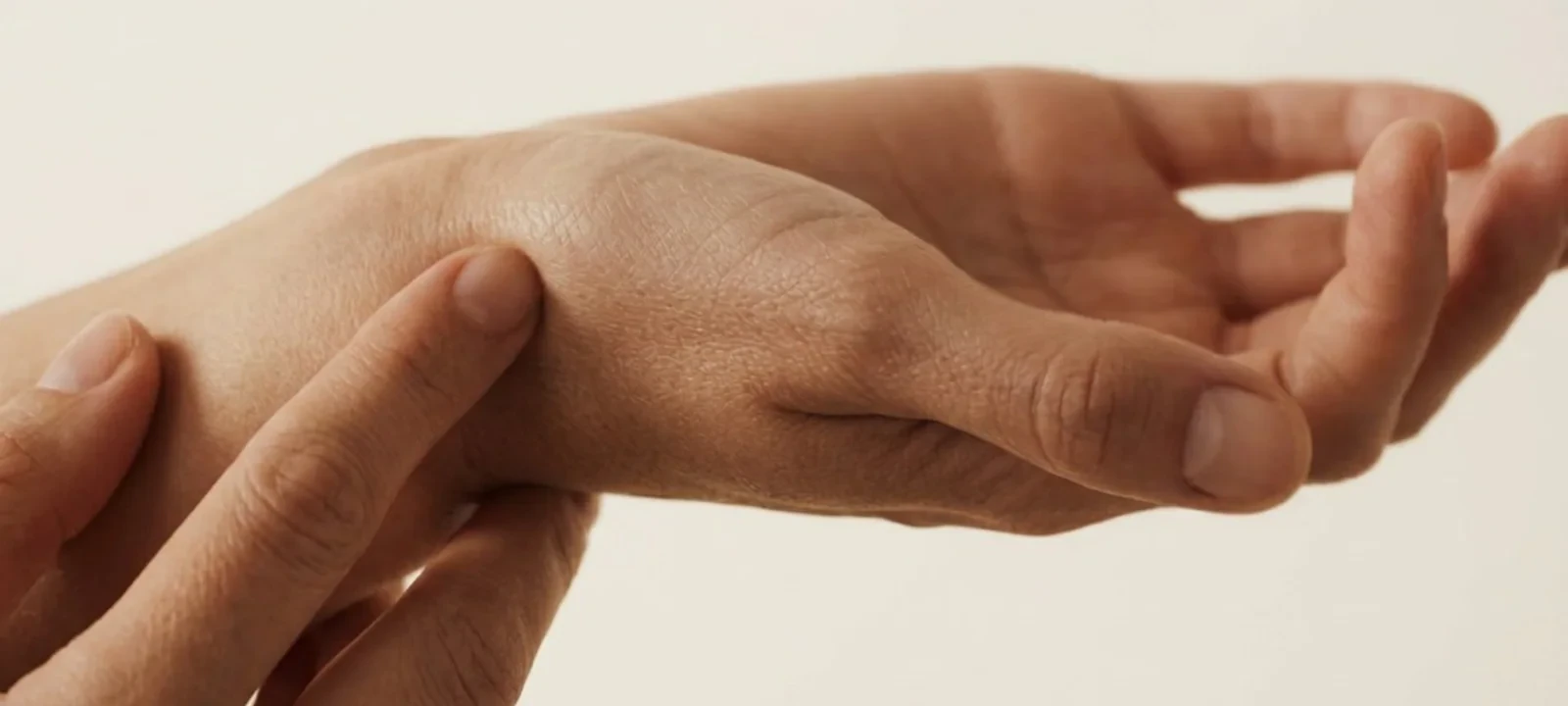
De Quervain's tenosynovitis treats inflammation of the tendon sheath on the thumb side of the wrist, first conservatively and, if needed, with a small operation.
De Quervain's tenosynovitis is inflammation of the synovial lining of the tunnel through which two thumb tendons pass, where the base of the thumb meets the wrist.
Because of the inflammation, the tissue swells, the tunnel becomes narrower, and the tendons glide less smoothly.
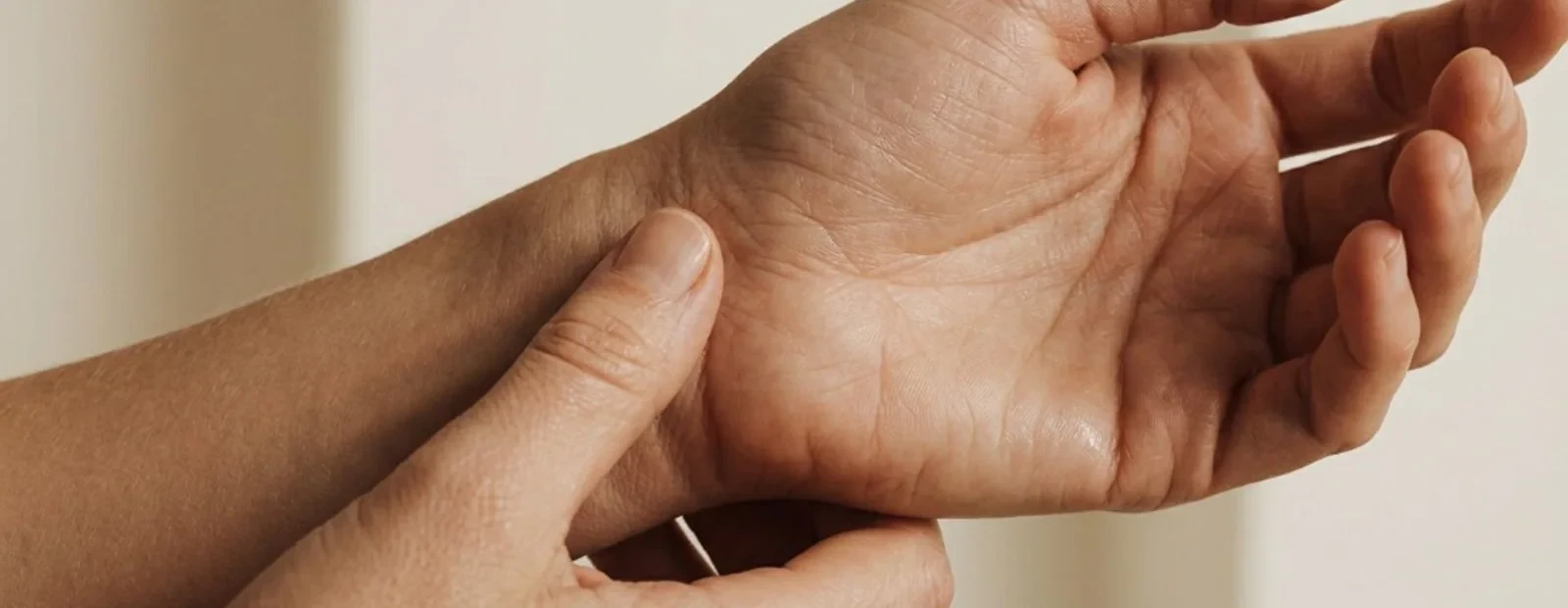
Overuse from repeated gripping or wringing is a frequent cause. Trauma or rheumatism may also play a role. Pain and swelling on the thumb side of the wrist are the most common symptoms.
During the consultation, we assess whether this treatment fits your situation.
Not sure whether de quervain is right for you?
Let us guide youOften suitable for
Pain on the thumb side of the wrist
Swelling around the tendon sheath
Symptoms due to overuse, trauma, or rheumatism
Little improvement with rest, splint, or anti-inflammatory medication
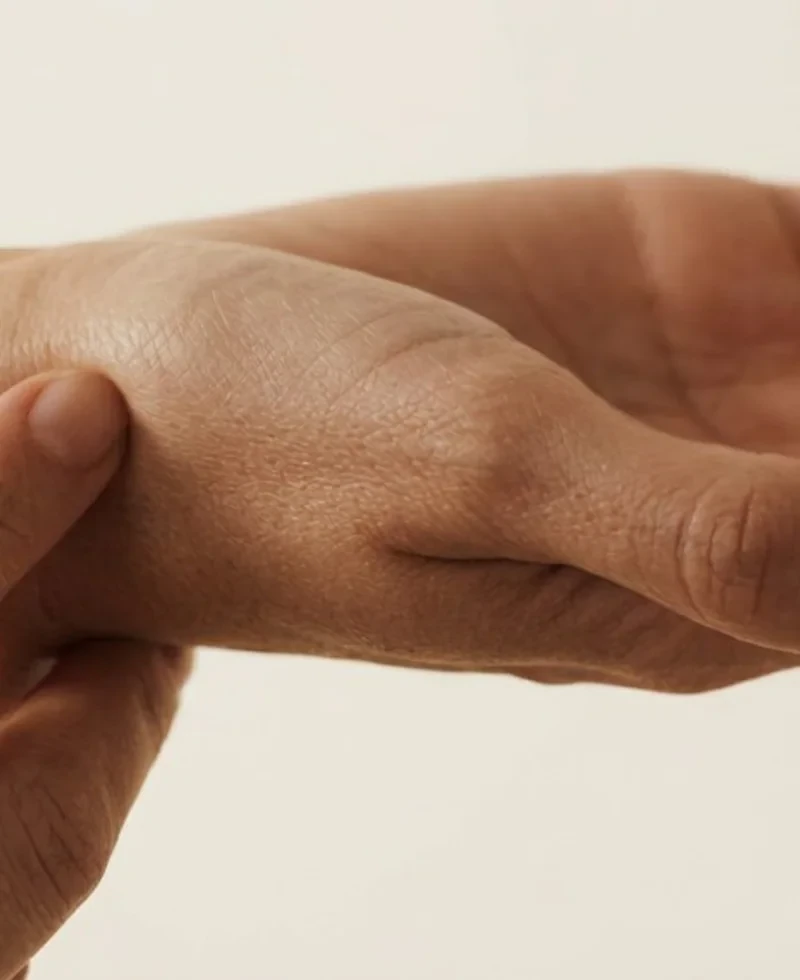
History and clinical examination often already point to De Quervain's. Ultrasound confirms the diagnosis.
First, we try without surgery: avoiding triggering movements, a splint, anti-inflammatory medication, and sometimes cortisone into the tendon sheath.
For severe symptoms or little improvement, the tendon sheath is surgically opened and the irritated tissue with swelling is removed.
Confirmation
Ultrasound confirms inflammation of the tendon sheath.
Conservative first
Rest, splint, anti-inflammatory medication, or cortisone may suffice.
Surgery if needed
The tendon sheath is opened and irritated tissue is removed.
Dr. Thomas Muyldermans
Book your consultation hereA clear path with personal guidance, from the first conversation to a beautiful and natural result.
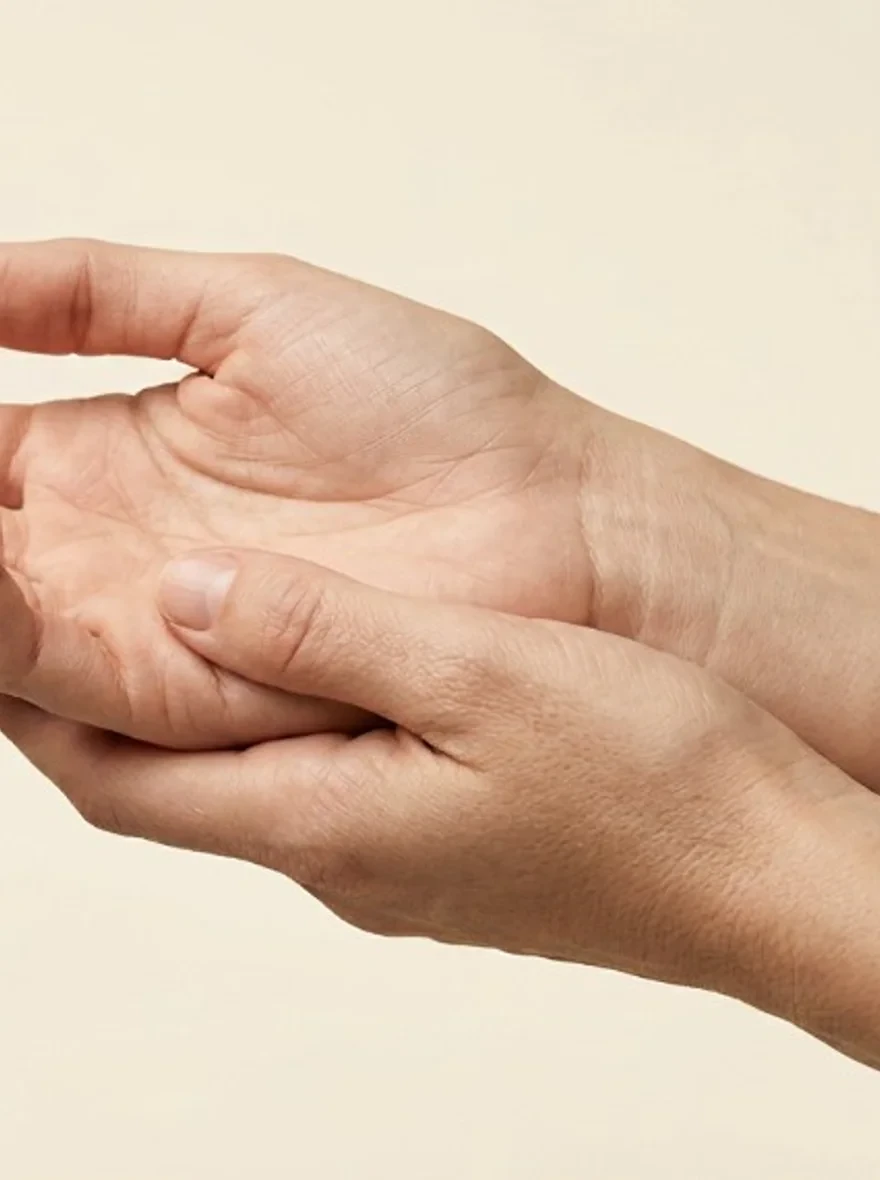
History, clinical examination, and ultrasound confirm the diagnosis.
Avoiding triggering movements, splint, anti-inflammatory medication, or cortisone come first.
If needed, the operation takes approximately 20 minutes under local anesthesia.
A dressing remains around the wrist for a few days. Shortly afterwards, you may gradually move the wrist.
After about 10 days, sutures are removed and progress is monitored.
No. First we try rest, splint, anti-inflammatory medication, or cortisone. Surgery follows for severe symptoms or little improvement.
Ultrasound confirms the diagnosis of De Quervain's tenosynovitis.
Shortly after surgery, you may gradually begin moving the wrist.
Surgiplast Clinic
Choose a reason and a suitable time. Availability and patient details are handled securely by Doctena.
The booking calendar could not be loaded. You can complete your booking securely on Doctena.
Continue to DoctenaDoctena processes appointment data on behalf of Surgiplast Clinic. Read our privacy policy before continuing.
 Book appointment